
Community Science
Community science calls on people like you to help collect data for scientists to use, which benefits conservation through a variety of ways.
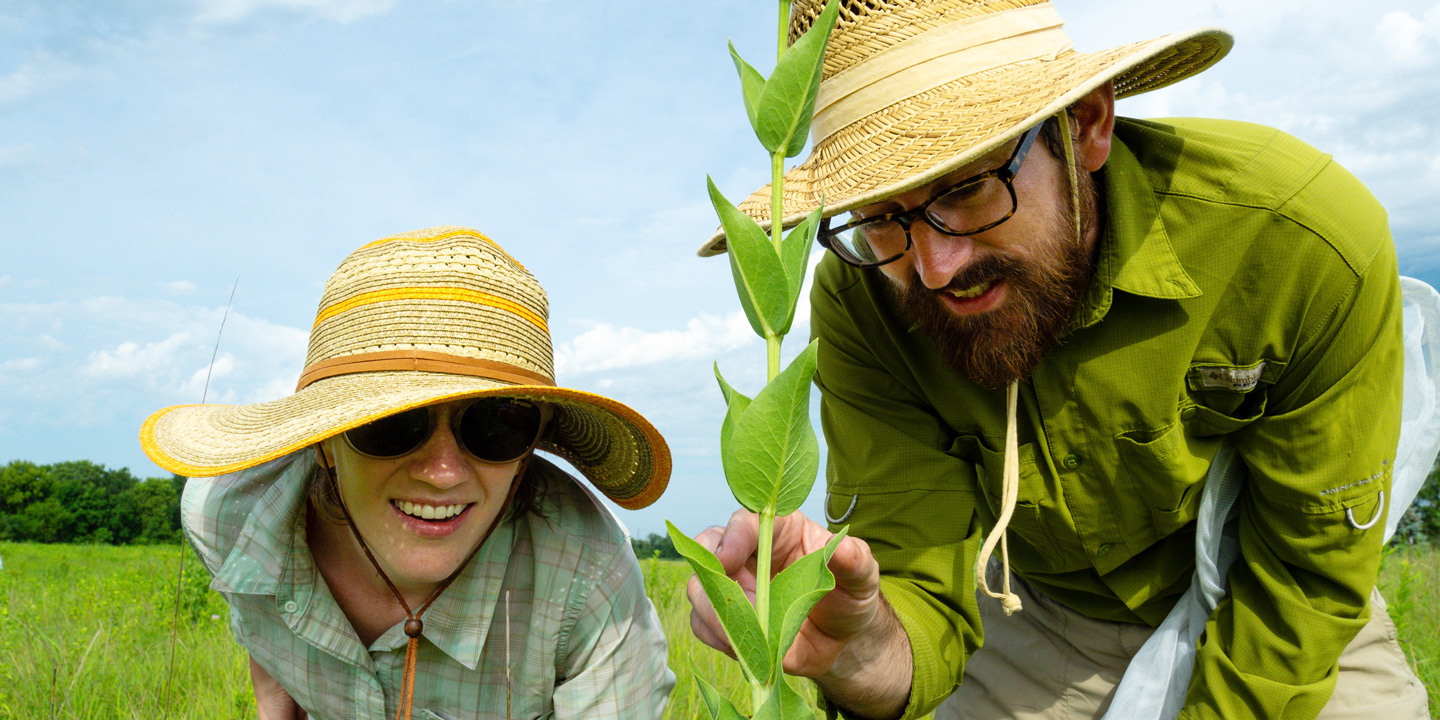
Community science is a term used for programs that call on people like you to help collect data for scientists to use. Participating in a community science project provides a reason to get outside and put your observation skills to work. The added bonus? The data you collect is used by scientists for all kinds of reasons, including tracking animal migrations, learning about the impacts of climate change, and determining population shifts or range of certain species. No training is needed to participate.
Check out the community science opportunities listed below, pick one that interests you and get started today!
Nebraska-based projects

Bumble Bee Atlas
The Nebraska Bumble Bee Atlas is a collaborative project to track and conserve bumblebees throughout the state. The project’s goal is to gain a better understanding of the distribution of Nebraska’s native bumblebees.
City Nature Challenge
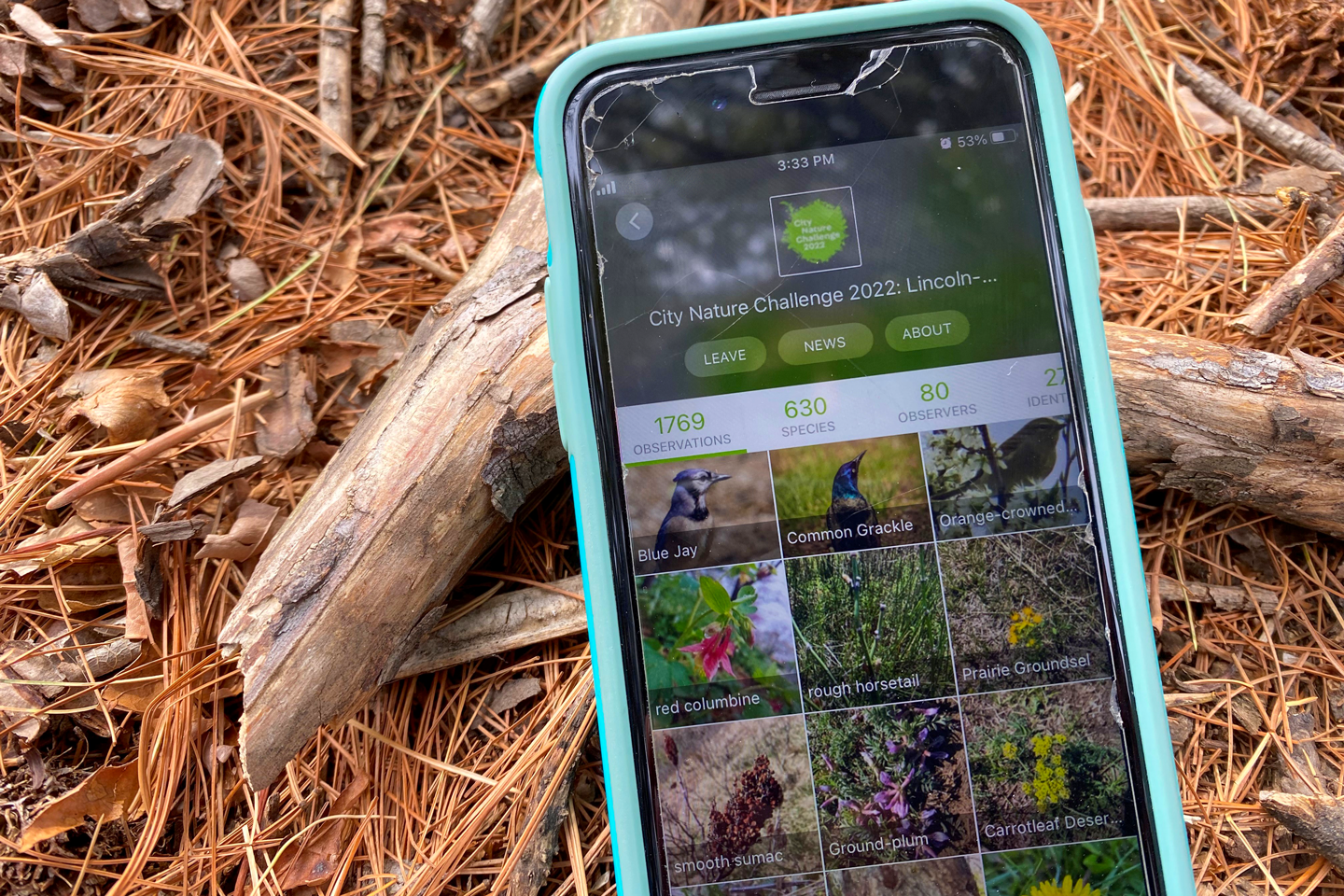
The City Nature Challenge is an annual competition among cities across the globe to find and document plants and wildlife over a four-day period. The challenge usually runs from the end of April through the beginning of May at select cities in Nebraska.
Biodiversity in State Parks
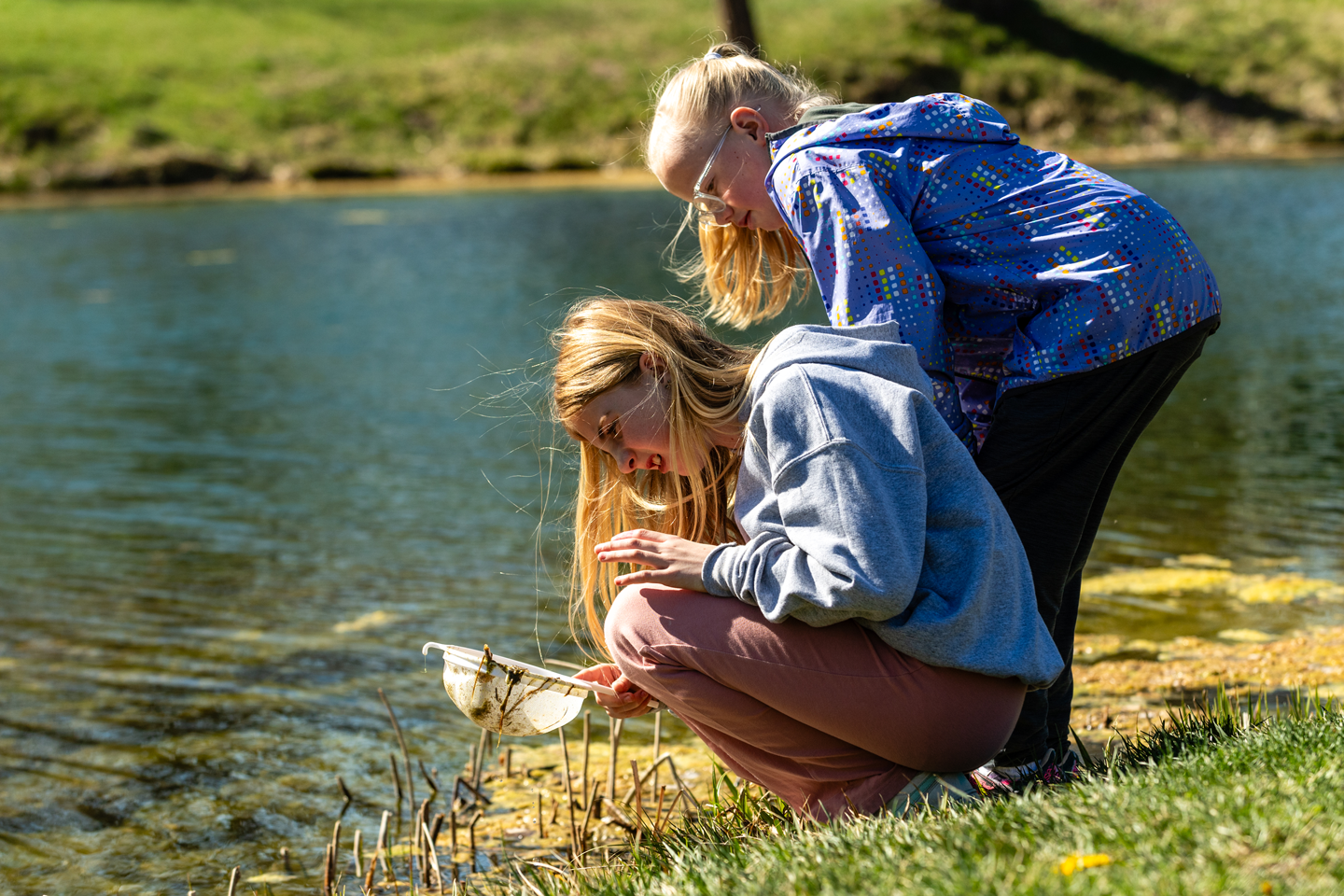
Help the Nebraska Game and Parks Commission gather information about the plants and wildlife found in our state parks and recreation areas by uploading observations to iNaturalist.

Dead Ahead: Nebraska’s Roadkill Reporting Project
Report roadkill sightings in iNaturalist to contribute to this global effort to make roads safer for both people and wildlife by adding things like warning signs, fencing, and wildlife crossings.

Locating plains spotted skunks
Help the Nebraska Game and Parks Commission locate this elusive species. Different from the more common striped skunk, plains spotted skunks are often found near abandoned farm structures.

Midwest Walleye Challenge
Anglers who participate in this springtime fishing challenge provide data to Nebraska fisheries biologists who use the information to learn more about the status of walleye fisheries. Participants are also eligible to win prizes.
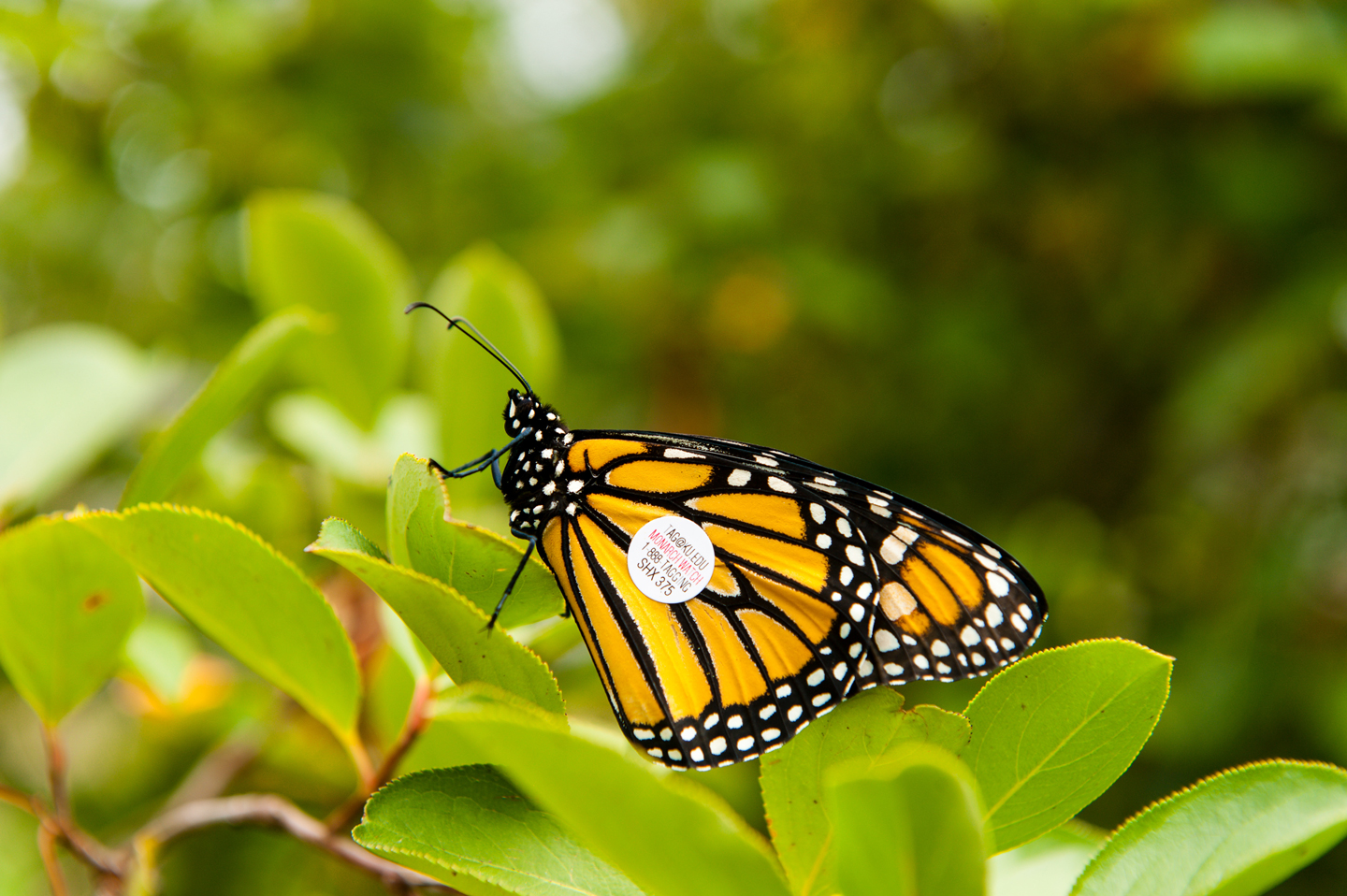
Monarch & regal fritillary surveys
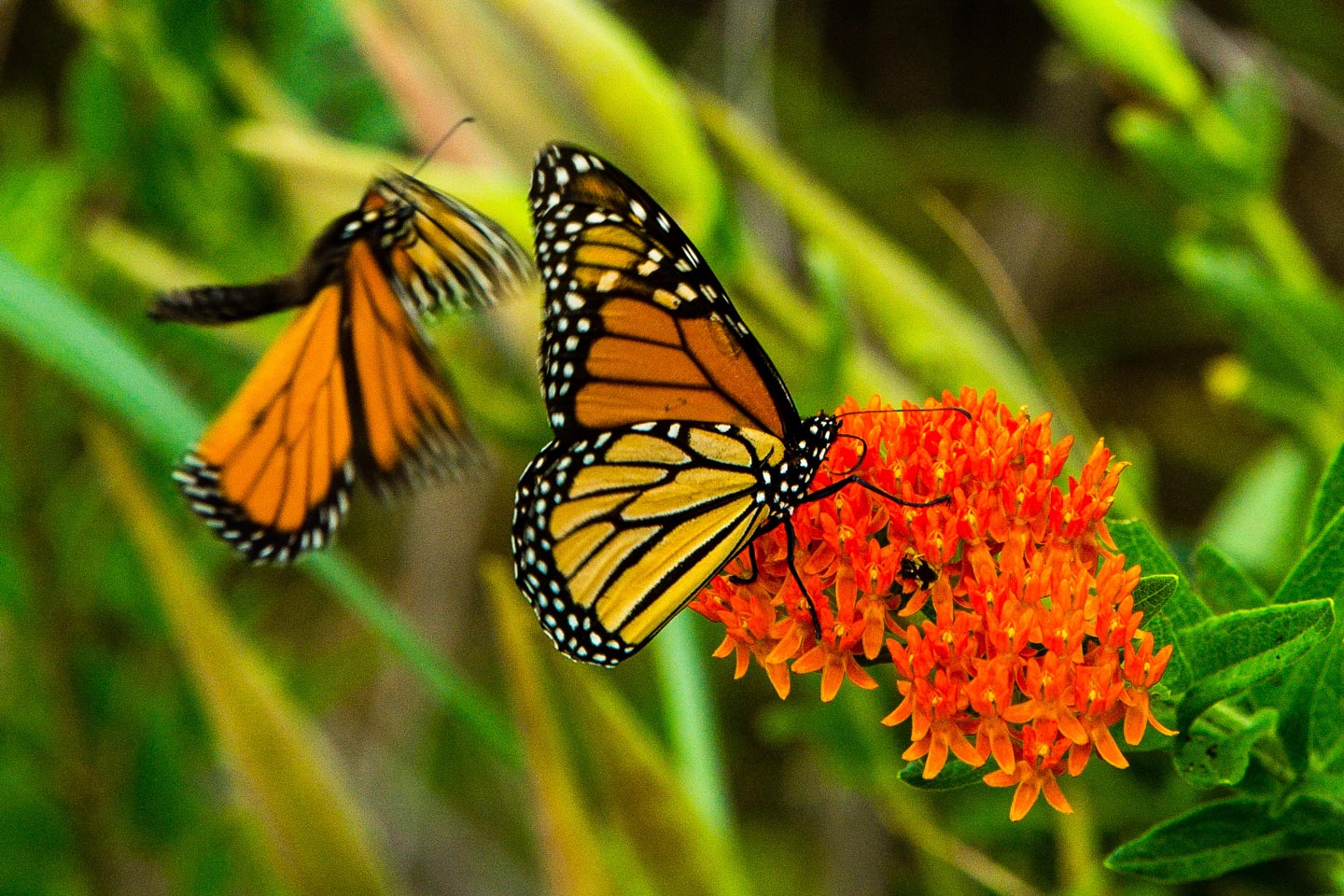
The goal of this project is to learn where in the state we can find our target species — regal fritillary and monarch butterflies — to better understand their relative abundance and the habitat they are using.

Nebraska’s Big Butterfly Count
Nebraska’s Big Butterfly Count is designed to determine the diversity of butterflies in Nebraska. Participants choose the location they would like to survey and record butterfly data from May through September. The results establish Nebraska’s baseline data of butterfly diversity and species distribution.

Nebraska NABat
Nebraska NABat is a collaborative project between multiple agencies and volunteers to conduct long-term acoustic monitoring on bat populations across Nebraska to gain insight on the state’s bat populations.
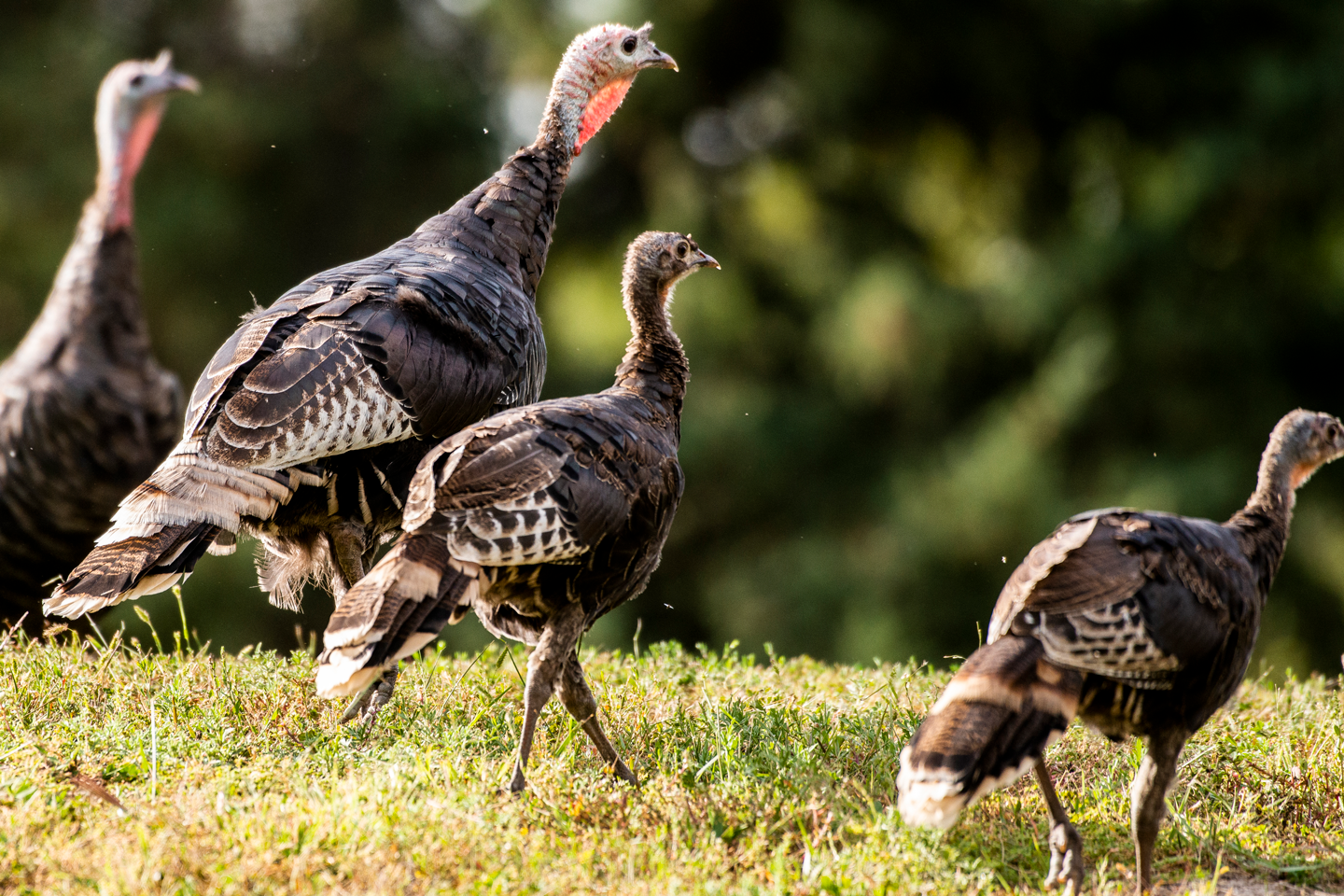
Turkey Brood Survey
Help our wildlife biologists by counting wild turkeys each summer in Nebraska! Submit your turkey sightings online during the months of July and August to help document turkey broods.
National projects
Project FeederWatch
FeederWatch is a November to April survey of birds that visit feeders in backyards, nature centers, community areas and other locales in North America. Participants periodically count the birds they see at their feeders and send their counts to Project FeederWatch.
NestWatch
Watching a bird prepare a nest, lay eggs and raise its young is a fascinating, exhilarating experience. Be part of it with NestWatch. This nationwide monitoring program is designed to track when birds nest, the number of eggs laid, how many eggs hatch and how many hatchlings make it out of the nest.
Budburst
Budburst brings together researchers and community scientists to track plants and phenology — the study of natural cycles. These observations are used to better understand how plant species and ecosystems respond to changes in climate locally, regionally and nationally.
Great Backyard Bird Count
During this popular community science event, people from all over the world head outdoors to count birds. In backyards, local parks or state parks, participants watch and record which birds they see and what the birds are doing. This information, when entered on the website, is used by scientists to track the health of bird populations.
Journey North
This large community science website has multiple projects aimed at tracking animal migrations, weather patterns and phenology — the study of natural cycles, such as when flowers bloom in the spring or when birds migrate north. From butterflies to barn swallows and seasons to sunlight, Journey North has a community science project for everyone.
eBird
eBird aims to track bird sightings to create a large database. The data is used not only by scientists, but also to create bird watching resources such as checklists, personal online lists and identification tools.
Related content
About Nebraska Game & Parks
We’re a family of passionate, innovative professionals who work together to connect people to the natural world and support conservation in Nebraska.