Oct 20, 2026
Landowner opportunity created as mountain lion lottery application period begins
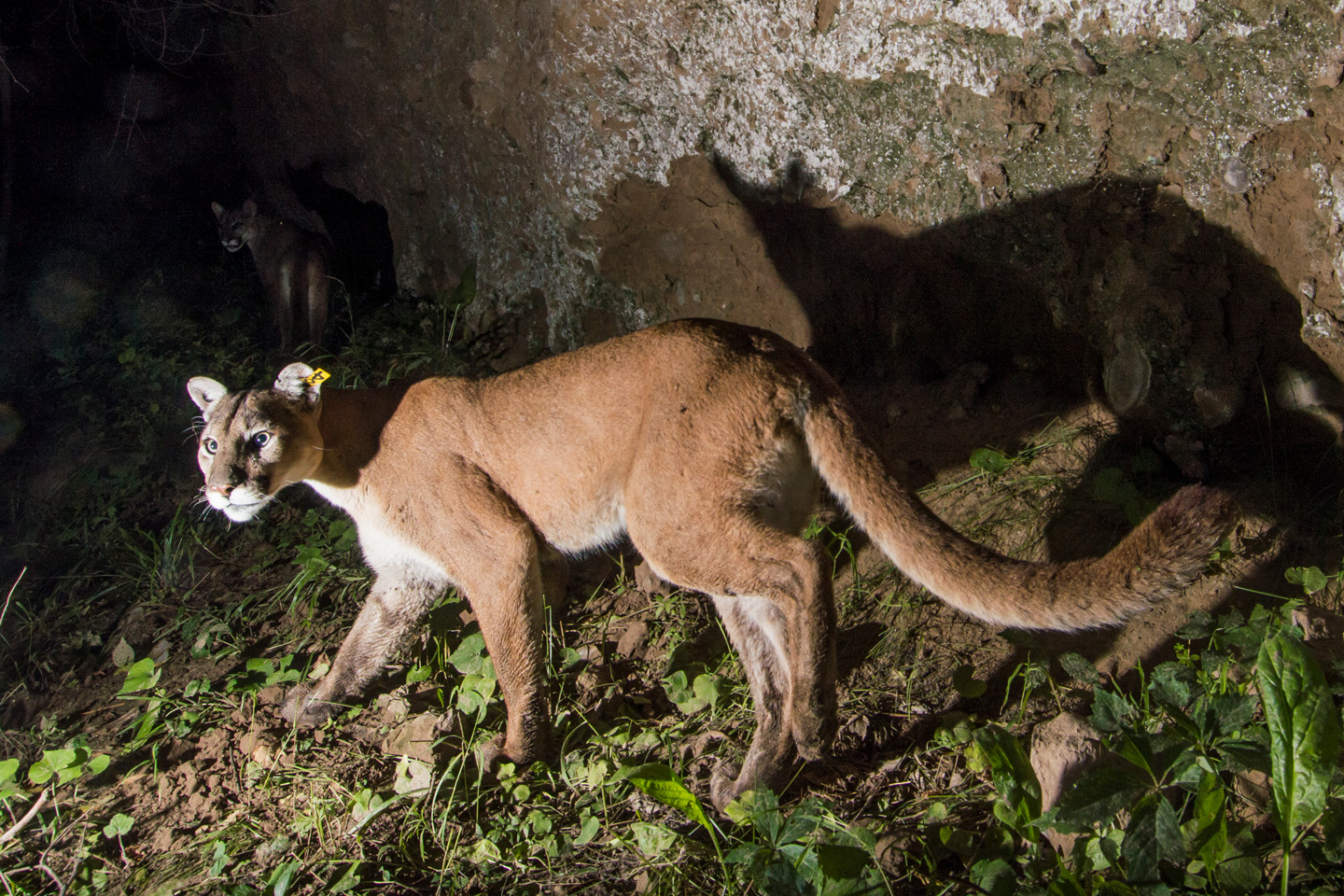
Lottery applications will be accepted for general and landowner mountain lion permits Nov. 2-Dec. 4.
Read More
Prescribed burns will begin this spring on some Nebraska Game and Parks Commission wildlife management areas, state parks and state recreation areas where weather allows.
Burning allows habitat managers to positively affect more acres. Those burns not completed this spring will be attempted this summer, fall or winter as weather allows.
Burned acres often become more attractive to wildlife species, and for some species, the effect is immediate. The long-term effects on wildlife habitat are much better if prescribed burning is used as a management tool than if habitat is not burned.
Historically, wildlife habitats were shaped by wildfires that occurred throughout the year. Burns help set back undesirable plants that invade native woodlands and prairies, as well as other grass and wooded areas. Eastern red cedar trees, honey locust, buckbrush, sumac, dogwood and other undesirable deciduous trees and shrubs can be managed with the help of burns. Prescribed burning is also routinely conducted in areas that have undergone tree thinning to further reduce fuel loads near park infrastructure or adjacent private residential areas.
Used in conjunction with grazing, prescribed burning also can set back smooth brome and Kentucky bluegrass, increase diversity in grasslands and improve habitat for wildlife.
With recent wildfires in Texas and Oklahoma top of mind, Nebraska Game and Parks staff want to issue the following reminders:
Editor’s note: Updated Feb. 20, 2026, to include reminders.